Plan & prepare

Visitor Information

Everything you need to know for a safe, comfortable and responsible rainforest visit.

General information

  • Most visitors enter from the Kudawa entrance (north-west), the closest to our base.
  • An entrance ticket is required, and visitors must be accompanied by a licensed guide inside the reserve.
  • Trails are open during daylight hours; arrive early for the best wildlife activity.
  • Mobile signal is limited inside the forest — let someone know your plans.
Clothing & footwear

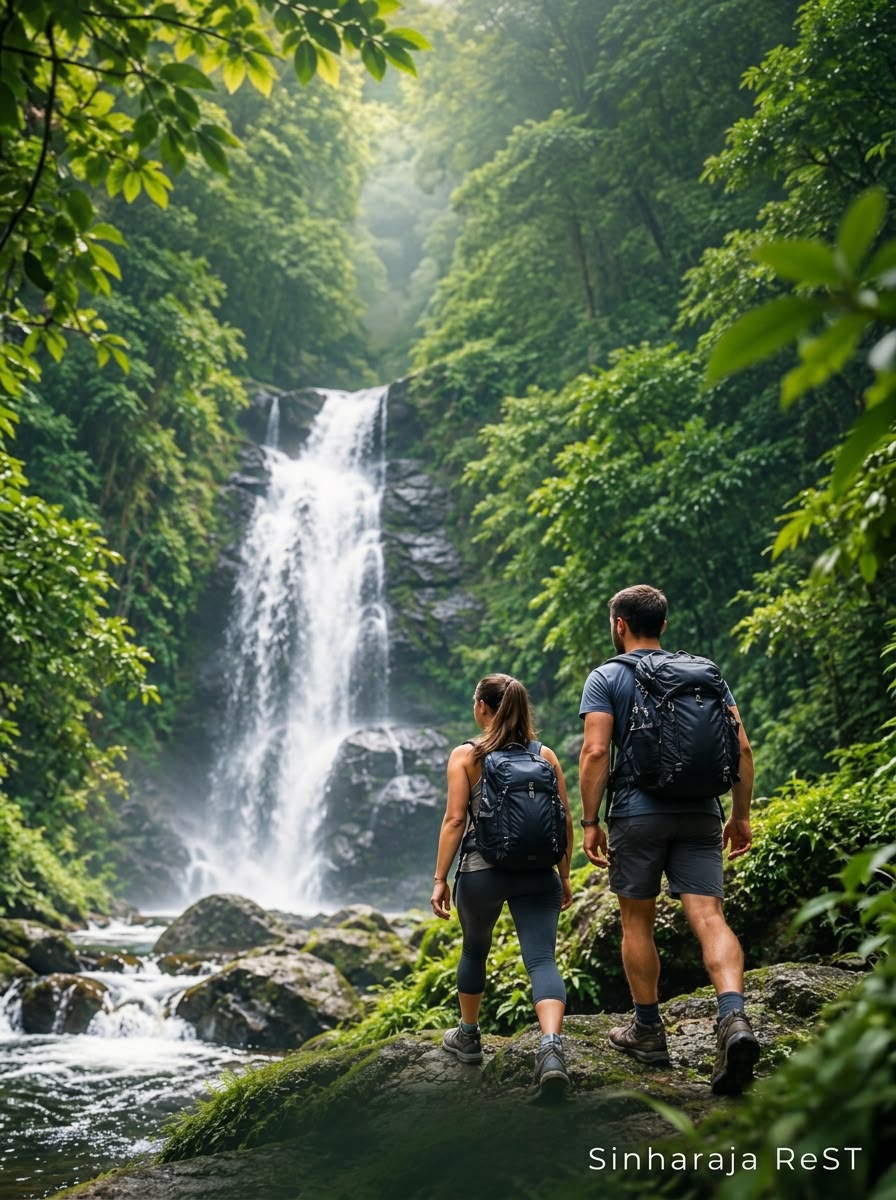
  • Lightweight, quick-drying long trousers and a long-sleeved shirt.
  • Muted, natural colours (greens, browns) — better for wildlife watching.
  • Comfortable trekking shoes or trail sneakers with good grip — trails can be slippery.
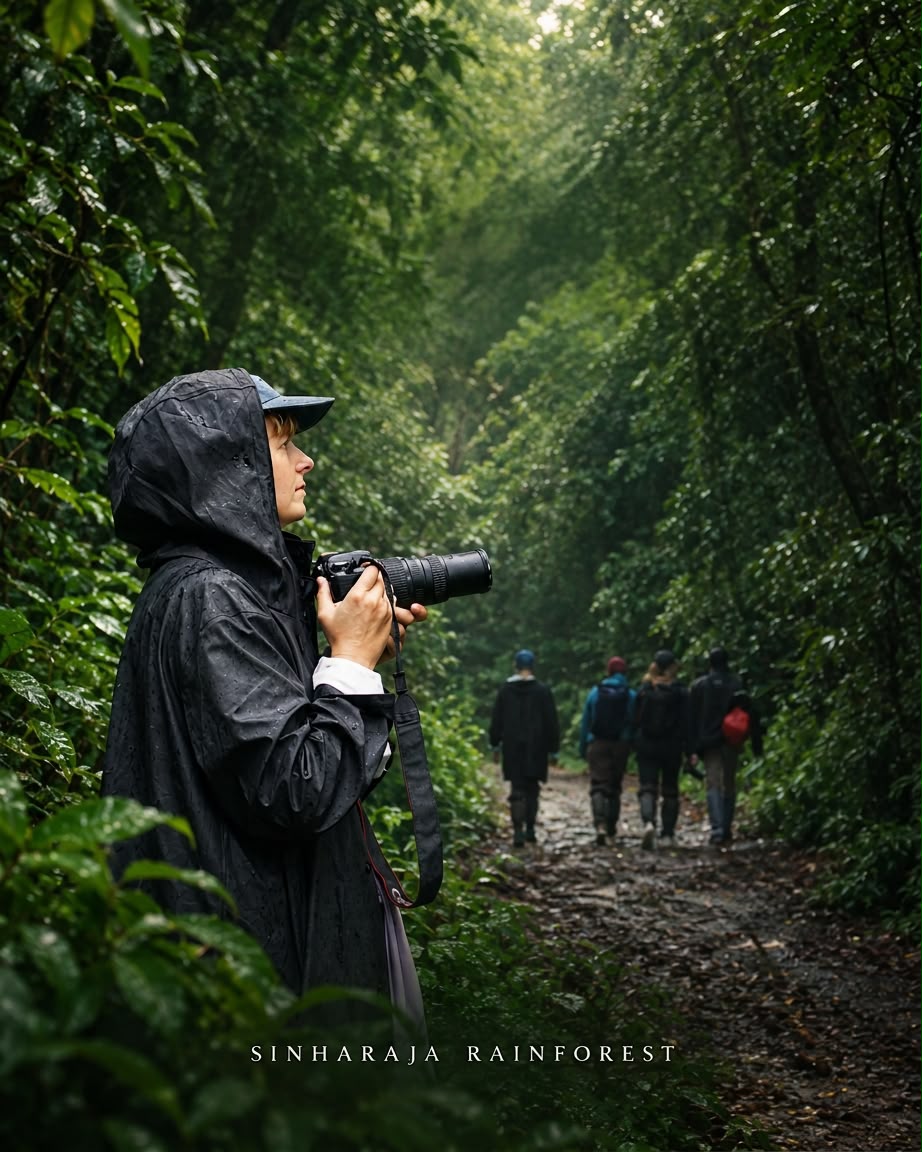
  • A light rain jacket or poncho; rain can arrive at any time of year.

Essential items to bring

  • Drinking water (at least 1 litre per person) and a small snack.
  • Leech socks (we can provide them), insect repellent and a small towel.
  • Binoculars and a camera; a waterproof bag for electronics.
  • Any personal medication, sunscreen and a hat.

Trekking preparation

  • Choose a tour that matches your fitness — ask us if you are unsure.
  • Eat a good breakfast and stay hydrated throughout the walk.
  • Follow your guide's pace and instructions, and stay on marked trails.
  • Let your guide know about any medical conditions in advance.

Leech awareness

Don't let leeches spoil the fun

Land leeches are a normal part of the wet rainforest, especially after rain. They are harmless and do not transmit disease, but bites can bleed for a while.

  • Wear leech socks over your trousers and tuck them in.
  • Check your shoes and legs regularly during rest stops.
  • To remove one, slide a fingernail under the sucker — don't pull hard.
  • Clean bites with water and cover with a plaster; avoid scratching.

Respect the forest

Wildlife & environmental guidelines

Observe from a distance

Never approach, touch, chase or corner animals — especially snakes like the Green Pit Viper.

Never feed wildlife

Feeding changes natural behaviour and can make animals sick or aggressive.

Take nothing, leave nothing

Do not pick plants, flowers or collect insects. Carry all rubbish out with you.

Keep noise low

Quiet voices mean more wildlife — and a better experience for everyone.

Stay on the trail

Walking off-trail damages fragile plants and disturbs animals' homes.

Protect the water

No soaps, shampoos or sunscreen in streams and pools.

Safety & FAQs

Visitor safety information

Is Sinharaja safe to visit?

Yes. With a licensed guide, sensible footwear and by following trail rules, Sinharaja is a safe and rewarding destination for visitors of most ages and fitness levels.

Are there dangerous animals?

Snakes such as the Green Pit Viper live in the forest, but they are not aggressive and bites are very rare. Your guide will spot them and keep everyone at a safe distance. Never handle wildlife.

What is the best time to visit?

The forest can be visited all year. December to April is usually drier and more comfortable for trekking; the monsoon months are wetter, with lush scenery but more leeches.

Can children join the tours?

Yes — shorter walks such as the night wildlife walk and village experience are ideal for families. Let us know ages when you inquire.

What if it rains?

Rain is part of the rainforest experience! Tours usually continue in light rain. In heavy storms, your guide may change the route or reschedule for safety.

Do I need to book in advance?

We recommend booking at least a day ahead, especially in the peak season, so we can arrange your guide, tickets and transport.

Ready when you are

Plan your Sinharaja adventure with a local guide

Tell us your dates and interests — we will reply with the best tour, stay and transport options for you.